

The United Arab Emirates (UAE) is one of the most popular destinations in the world for tourism, jobs, business, and family visits. Cities like Dubai, Abu Dhabi, and Sharjah attract millions of people every year. Because of this high demand, the UAE has strict visa rules. While many applications are approved, some are rejected.
A UAE visa rejection can be confusing and disappointing, especially when the reason is not clearly explained. In this article, we will look at the most common reasons why UAE visa applications get rejected and how applicants can avoid these problems in the future.
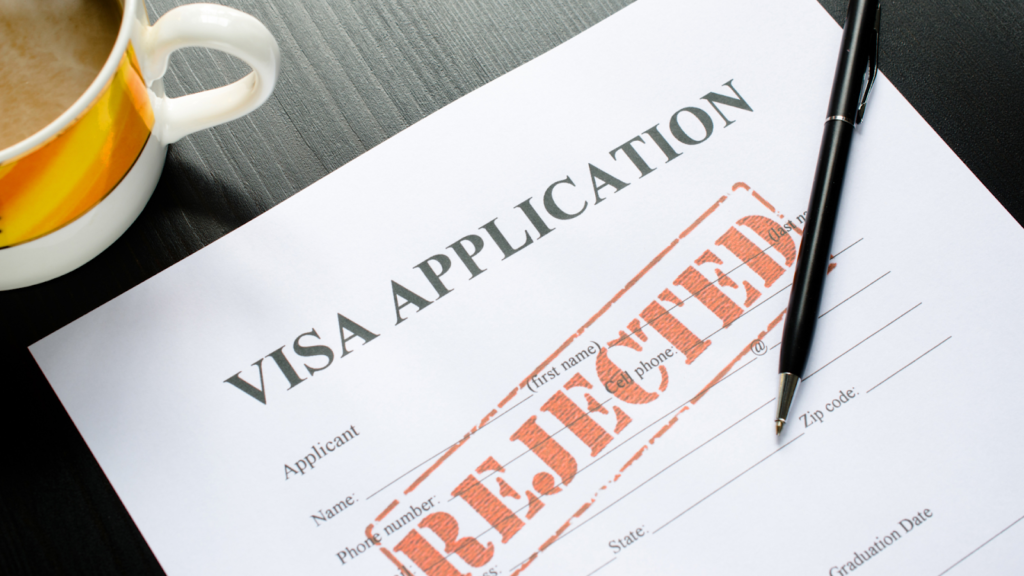
12 Common Reasons for UAE Visa Rejection
UAE immigration authorities follow strict screening procedures for all visa applications. Even small oversights or profile-related factors can affect the final decision. Applications may be rejected due to errors in personal information, unclear or incomplete documents, past immigration violations, or failure to meet eligibility requirements. Understanding these common reasons helps applicants avoid mistakes and improve their chances of visa approval.
1. Incorrect or Incomplete Application Information
One of the most common reasons for UAE visa rejection is wrong or incomplete information in the application form.
This includes:
- Spelling mistakes in the name
- Wrong passport number
- Incorrect date of birth
- Mismatch between application details and passport details
- Missing mandatory fields
Even small errors can cause rejection because the UAE immigration systems are very strict. If the information you submit does not exactly match your official documents, your application may be rejected automatically.
Get to know: UAE Visa Rules and Regulations in 2026
2. Poor Quality or Incorrect Documents
The UAE requires clear and proper documents for visa processing. Many applications get rejected because of unclear, expired, or incorrect documents.
Common document issues include:
- Blurred or unreadable passport copy
- Passport validity is less than 6 months
- Old or unclear photograph
- Photograph not meeting UAE photo requirements
- Missing documents, such as a return ticket or hotel booking
If immigration officers cannot clearly read your documents, they may reject your application.
3. Previous UAE Visa Overstay
If you have previously visited the UAE and overstayed your visa, this can negatively affect your new visa application. Overstaying creates a negative immigration record, which may result in automatic rejection.
Unpaid fines from previous overstays can also cause problems during the visa approval process.
4. Criminal Record or Security Concerns
Applicants with a criminal background or those flagged for security reasons may face visa rejection. The UAE has strict security policies, and immigration authorities carefully screen applicants.
Even if the offense occurred years ago or in another country, it can still impact your UAE visa application
5. Visa Ban or Blacklist
Some applicants face rejection because they are under a UAE visa ban.
Visa bans can happen due to:
- Absconding from a job
- Labor disputes
- Fake documents
- Criminal cases
- Immigration violations
There are different types of bans: temporary and permanent. If your name appears on a blacklist, your visa will be rejected automatically.
6. Poor Passport Quality or Validity Issues
Your passport plays a major role in visa approval. UAE immigration authorities may reject applications if:
- The passport is damaged
- The passport is not machine-readable
- The passport has missing or torn pages
- The passport validity is less than 6 months
Always make sure your passport is in good condition and valid for the required duration before applying.
7. Similar or Matching Names
This may sound surprising, but many UAE visa rejections happen due to name similarity. If an applicant’s name matches or closely resembles someone on the UAE blacklist, the system may reject the visa as a precaution.
8. Poor Travel History
A weak or unclear travel history may raise concerns. If you have never traveled internationally or have a history of frequent visa violations in other countries, immigration officers may consider you a risk.
Having a good travel record with compliance with visa rules improves your chances of approval.
9. Profession or Nationality-Based Restrictions
Certain professions or nationalities may face additional scrutiny due to immigration regulations. While the UAE welcomes people from all over the world, some applications are reviewed more carefully based on labor market trends and security policies.
This does not mean rejection is guaranteed, but documentation must be strong and accurate.
10. Unclear Purpose of Travel
If the purpose of your visit is not clearly explained or supported with proper documents, your visa may be rejected. For example:
- Applying for a tourist visa but mentioning work-related plans
- Lack of hotel bookings or return tickets
- No clear itinerary
Immigration authorities need confidence that you will follow visa rules.
11. Financial Issues or Insufficient Funds
The UAE wants to ensure that visitors can support themselves during their stay. If you cannot show enough financial proof, your visa may be rejected.
This includes:
- No bank statements
- Low balance
- No return ticket
- No accommodation details
This is especially important for tourist and visit visas.
12. Fake or Misleading Information
Providing false information or fake documents is a serious offense in the UAE.
Examples include:
- Fake hotel bookings
- Fake employment letters
- Fake bank statements
- Wrong travel history
If immigration detects fraud, your visa will not only be rejected but you may also face a ban.
Important Information: Dubai visit visa rejected? Reapplying too quickly without fixing the cause can lead to another rejection. Always review your previous application and strengthen your documents before submitting again.
Related Articles:
Steps to Get a UAE Visa for GCC Residents
Reasons UAE Visa for GCC Residents Gets Rejected
What Happens If Your Online Dubai Visa Expires While in UAE
How to Avoid UAE Visa Rejection
Preventing UAE visa rejection largely depends on application accuracy and meeting immigration expectations. Understanding common mistakes and following the correct process can greatly improve your chances of visa approval. Here are some practical tips:
1. Double-Check All Information: Before submitting your application, review every detail carefully. Make sure your name, passport number, and personal details match your passport exactly.
2. Submit Clear and Valid Documents: Always upload high-quality scans of your documents. Blurry or cropped images should be avoided.
3. Ensure Passport Validity: Your passport should be valid for at least six months from the date of travel. If not, renew it before applying.
4. Choose the Correct Visa Type: Understand your travel purpose and apply for the correct visa category. Tourist, visit, business, and work visas have different requirements.
5. Maintain a Clean Travel Record: Avoid overstaying on any visa. Always follow immigration rules and exit the country on time.
6. Apply Through a Trusted Visa Service: Professional visa services can help you avoid errors and guide you properly, increasing your chances of approval.

What to Do After UAE Visa Rejection?
- Understand the reason for rejection by reviewing your application carefully or consulting your visa service provider.
- Correct the mistakes by fixing any errors in your documents, personal details, or travel information.
- Wait before reapplying if required, especially when rejection is linked to overstays or security concerns.
- Apply again with stronger documentation such as confirmed hotel bookings, return tickets, or invitation letters.
- Get expert assistance from professional visa consultants to improve your chances of approval.
Why Choose SmartGo E-Visa?
A UAE visa rejection can turn exciting travel plans into a stressful experience. At SmartGo E-Visa, we understand how frustrating this can be, which is why we focus on accuracy, transparency, and expert guidance to help our clients get their UAE visas approved smoothly.
Our role is to assist applicants throughout the visa application process by ensuring all information and documents are prepared correctly before submission. Every application is carefully reviewed by our experienced team to meet UAE immigration requirements.
How Our Process Helps Minimize Rejection Risk
- Thorough review of all documents to avoid errors or missing information
- Verification that all personal details match the passport exactly
- Guidance on correct photo specifications and document formats
- Assistance for applicants with previous UAE visa rejections
- Honest, profile-based advice before submission
Our goal is not simply to submit your application but to ensure it is prepared accurately and professionally.
Whether you’re planning a visit to the UAE for tourism, family visits, or short stays, you can apply online with SmartGo E-Visa and experience a reliable, guided, and hassle-free visa assistance process.
Remember: A rejected visa does not mean the end of your UAE dream; it simply means you need to apply smarter next time.